Showing posts with label The Simple Home Pantry. Show all posts

Friday, February 20, 2009

10 Goals for My Kitchen Space

Spring Cleaning started a bit early this year and my kitchen area and pantry have been my first place of 'attack." As I've been re-organizing my pantry - developing a year long, well-equipped one, I decided it'd be good to also write down some of my goals for this year.

1. Monday Menu planning day and Wednesday's is coupon cutting day – allowing room for spontaneity. I always love to visit Laura's Organizing Junkie! Laura uses Mondays to inspire women to menu plan. I’ve recently started employing Google Calendar for my menu planning and I LOVE it.

About eighteen years ago I was a fan of once a month cooking, but weekly menu planning works best for me in this season of my life. Rachel writes about Batch Cooking here.

2. Maintain a well stocked and organized pantry.

3. Keep my linen closet neatly organized.

4. Plan, plant and regularly attend to our vegetable garden and incorporate the produce into meals.

5. Organize my recipes and evaluate my present system. I like what Lindsay has done here.

6. Keep my counter tops (working space) free of unnecessary stuff. De-clutter, de-clutter and do it again is my mantra.

8. Purge old spices and maintain the alphabetized organization. Develop a year long pantry (post coming soon).

9. Create beauty at my family table with colorful and delicious food – to have the display as wonderful as the food and the company around the table.

10. Keep it all simple.

Related Posts
1. Re-Organizing the Pantry - Part One
2. Cooking in Lylah's Kitchen
3. Making Home Peaceful

Stumble Upon Toolbar

Thursday, February 19, 2009

Step 3 to Re-Organize Your Pantry - Facing Toxins

I started Spring Cleaning early in my kitchen -specifically my pantry. Part one is here and part two is here.

Part of "spring cleaning" the pantry is to evaluate IF your kitchen/pantry is well-equipped or IF you actually have toxins in your midst.

Today, I want to chat with you about toxins. Since July 2007, I've been reading about them - because I'm on a journey to de-toxify and I've been reading about toxins - what they are and where they are found and what they do.

I've been reading about the toxins in my food, in my clothes, in my bed, in my cleaning products, in my carpet, in my kitchen, in the air I breath, in the water I drink, in the plastics I use and bout 50 other places.

I'm reading and researching - not to get overwhelmed, or become obsessive or compulsive about germs or toxins, but so that I can be informed to make wise choices to change my lifestyle in those practical places that I can, and to inform other women who want to listen.

One of the books that has been a real eye opener is this book, Detoxify or Die, recommended by a friend's podiatrist. It's one of my resources.

I've discovered that toxins are everywhere: food, metal, dirt, plastics, our homes, in our pillows and more. "The plastic wraps swaddling your fruits, vegetables, and meats in your grocery cart look harmless enough.

The Styrofoam trays that holds your food from the grocery store and the plastic bottles for water, soda, milk, ketchup, fruit juice, and even infant formula. But the phthalates (plasticizers) that out gas from these plastics, so ubiquitous in our food and beverage packaging, leach into our foods.

In fact, we eat so may plastics each day that the government has established an average daily amount that we ingest. And once inside our bodies, these phthalates or plastics tightly hook onto our cell parts where they gum up the works." page 2 & 3 of Detoxify or Die

I've learned about dioxins - a man-made chemical family - inescapable in our foods. "Dioxins are created in part through through the manufacture of plastics, pesticides and other chemicals (U.S.D. H.S.S. 1998). They are spewed from industrial smokestacks, taken up into clouds, and rain out into the soils where they are taken up by plants that we use for food or animals and humans." page 3 of Detoxify or Die

Metals are another toxin that are hidden in our foods. "Mercury toxicity from bottom dwelling shellfish and fish (clams, crabs, lobster, mussels, oysters, flounder) and smaller fish that feed around the mouths of rivers, as well as large fish like swordfish and tuna that feed on the smaller fish, stockpile heavy metals from upstream industry." (Crinnion, S.S.F.D.A., Tollefosn) page 8 of Detoxify or Die

"Aluminum contamination, for example, contributing to the rising epidemic of Alzheimer's disease, is in baking powders (except for Rumford). We also obtain aluminum from the giant vats that processed factory foods are made in, as well as aluminum-lined juice boxes, cans, and other packaging, plus kitchen and commercial coffeemakers, hot water heaters, thermoses and aluminum cooking utensils. It's even an anti-caking agent added to sale and sugar (so that "When it rains it pours").

Just when we think our homes are safe, we need to think again. Two years ago, Michael and I did some home front renovation. For you curious types here are some pics: one and two. We tore up old ceramic tile floors and replaced it with hardwood floors.

The tear up dust was - well a lot of dust. The hardwood floors weren't particularly the issue - but for a season, the glue was. We also had all our trim and cabinetry sanded and painted. Paint is toxic. Then, if that wasn't enough, we pulled out all the carpet in the bedrooms and had new carpet put down.

"The average carpet out gases over a dozen chemicals, all of which are capable of creating disease. Anderson Labs demonstrated on TV just how toxic new carpeting can be. They placed a little patch of carpet in the bottom of a glass jar with some mice. In the morning the mice were dead. 4-PC was the chemical culprits: benzened, toluene, xylene, formaldehyde, butadiene, styrene, methacrylates, and more (Anderson 1977)." page 14 of Detoxify or Die

As I have discovered the toxins that I live among, I realized that I have a choice: be and proactive and eliminate what I can or get overwhelmed and do nothing. I chose the first option.

Let's talk water. According to Detoxify or Die, the average city water contains over 500 different chemicals, one of which is flouride - deliberately added to water.

When my girls were little, the water in Tucson, AZ, had flouride in it. Dentists were amazed at how good their teeth were. What concerns me is what kind of effects might show up in them as adult women. "Flouride is known to cause excessive calcification not only in arteries but joints and ligaments, and contributes to many forms of cancer and osteoporosis. Flouride acts like a havy metal (even though it's a halogen) in damaging enzymes."

We've got a ton of chlorine in our Phoenix water. I know this, because on some days I can smell the chlorine when I turn the faucet on. "Chlorine turns out to be a free radical initiator that elevates cholesterol and accelerates aging."

Sometimes, though the water isn't the problem it's the source the water flows through. Many pipes are PVC, copper, lead or other toxic plastics.

So, before you get to depressed, I want to share the steps I've taken to take as much control as I can to detoxify.

11 Things You Can Do Now - To Take Control to Detoxify

# 1. Read and research. The Detoxify or Die is a fantastic resource.

# 2. Change what you can change. There wasn't anything we could do about the chemicals emitted from our new carpet, but there was something we could do about our water. Besides only drinking filtered water (and Detoxify or Die tells you what are the good kinds) we added a filter to our shower head.

# 3. Read this plastics list. Get rid of all your bad plastic. If you can't change it out all at once, do it in steps. Watch for sales, but change it out. Check out this site about plastics. Check out this site for other guides. Check out this site to know what plastic to avoid.

#4. Read labels. Don't assume you know what's in it. If there are names on the label that you've never heard of - then there's a good chance your body won't know what to do with it our how to digest it.

# 5. Nurse your baby. Please nurse your baby. Please get help from older moms to nurse your baby. Read this if you use formula. It's lengthy, but will give a mother something to think about.

# 6. Change out your cookware to stainless steel. Teflon is toxic. Read this to know more. Here's another important read.

#7. Change your diet. Most of what we eat is acidic in nature. When our bodies are acidic, they don't repair themselves, breakdown more quickly, decrease ability for the body to detoxify, make us more susceptible to disease. Get understanding why you need to eat foods that are more alkaline rather than acidic and know what foods are what.

# 8. Detox. Exposure to toxins, creates a heavy burden on our bodies. I've heard it said that "you are what you don't secrete." Toxins build up, they inhibit our ability to absorb nutrients. I'm dealing with that right now. I am not absorbing calcium. Being in my mid-fifties, I need to absorb calcium.

So, I'm proceeding ahead by doing two things: I'm going to do the Fast Track One Day Detox. And, I have committed to go with a girlfriend (you know - the buddy system) for our first colonic. If you don't know what's in your colon - read this. And, if you don't know about colonics, then read this. Read here for my experience.

# 9. Find out what's in your pillow. Many pillows are loaded with toxins like brominated flame retardant substance. If you can change it - change it.

# 10. Change your cleaning products to non-toxins. Read this and read this.

# 11. Know about fruits and vegetables that are on the dirty list.

I'd love to hear what you're doing to detoxify. What have you changed and how have you known it's benefited you?

Related Posts
1. Step One - Re-Organize Your Pantry
2. Step Two - Re-Organize Your Pantry
3. Methel Parabins & Killing Plastics

Stumble Upon Toolbar

Tuesday, February 17, 2009

Steps to Re-Organizing Your Pantry - Part Two

I love my kitchen. It's the serving center where I spend much of my day in and out of. I like to think that lots of love, life and creativity flow from this space into the others.

Yesterday, I started posting my steps to re-organizing my food pantry. I've been evaluating and researching how to make my pantry a FRUGAL pantry. Go here for step one.

Step Three
After you've completed those first two steps, next make a list of kitchen organizing products you've determined will help you with efficiency in the kitchen.

Get ideas from places from online stores like SurLa Table or Target and Ikea. I use mesh cutlery utility drawer trays to organize. I also use little plastic containers.

Besides counter, drawers and cupboards, what else needs attention? Does the refrigerator need cleaned out? Check expiration dates of all the food in the refrigerator and the freezer. Get rid of anything that looks or smells iffy.

Make a page in the Kitchen section of your Simple Home Notebook that says Grocery List and write down what is going to need to be replaced. Move older freezer food to the front and use that first. There are tons of blogs and sites to help you be creative with menus and dinner planning.

Step Four
What needs to be replaced? Again, mark these items down in your Kitchen notebook. Recently, I began to replace all my toxic plastics. I've gone to use mostly glass containers with a few from the non-toxic plastic list.

Step Five
Take a look at your food pantry. How's it working for you? Is it functioning well for time efficiency and is it stocked for some emergency situation?

Ask yourself: How can I re-organize it according to baked items, canned items, pasta, etc. What needs to be replaced or replenished?

The key to Simple Home Living is to begin small with little steps, get a girlfriends help and try to avoid feeling overwhelmed.

I know moms of little ones can find themselves overwhelmed. Be encouraged do the best you can, take one step at a time and enjoy those moments with those little people who always seem to be under foot. Bring them by your side for little moments of teaching. Teach them how to work by giving them little projects to do like putting the silverware or cups away. Give them a paper towel and have them "wipe" the refrigerator off while you wipe off the counters. Give them a little wisk broom and show them how to "sweep" the floor. Make it fun, not a chore. Teach them the value of sanctuary.

Before you get started on Part Two of Re-Organzing Your Pantry do these things (if you haven't already):
1. Make your bed.

2. Smile and tell God three things you're thankful for.

3. Clean your kitchen sink out - no dirty dishes allowed!

4. If you're married, go back down memory lane and reflect where you were the first time you "noticed" your husband.

5. Kiss your little ones and tell them how much you love them.

Related Posts
1. The Well - Equipped Kitchen
2. Step One to Re-Organize Your Kitchen
3. Teach Your Little Ones How To Work
4. Making a Simple Home Notebook
5. Teach Your Little Ones About Sanctuary
6. Make It a Priority

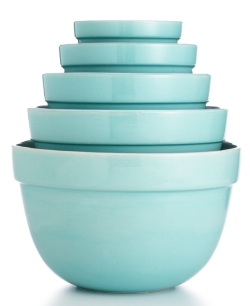
Aren't these pretty? This color makes me smile! Just thought I'd show you!

Stumble Upon Toolbar

Look What I Can Do With Great Northern Beans!

I've been working for about a month setting up my year long pantry. Part of the "work" (which is so much fun for me) is finding new ways to cook with beans. I googled Great Northern Beans (since I have 50 # of them) and just LOOK what I found at Cooks.com! I've never been so excited about beans up until today!

Some of the beans in my new year long pantry.


GREAT NORTHERN BEAN STEW
1 #ground beef
1 c. coarsely chopped onions
1 c. thinly sliced carrots
2 c. chopped cabbage
1 tbsp. brown sugar
1 28 oz can whole tomatoes, undrained, cut up
1 lg. can Great Northern beans, undrained
1 c. water
1/2 tsp. paprika
1/2 tsp. dried thyme leaves
1/4-1/2 tsp. salt
1/2 tsp. pepper
1 tbsp. vinegar
1/4 tsp. hot red pepper sauce
1/3 c. chopped fresh parsley

In large saucepan or Dutch oven, brown beef and onions; drain. Stir in all remaining ingredients; bring to a boil. Reduce heat; cover and simmer 15 minutes. 6 (1 cup) servings.

GREAT NORTHERN BAKED BEANS
32 oz cans of Great Northern Beans, drained
1 ham steak cut into cubes
1 tsp. salt
1/2 lg. sweet onion, chopped
2 bottles of ketchup
1/3 to 1/2 c. of prepared mustard
3 c. of packed brown sugar

Combine ingredients. Cook in a uncovered crock pot 8 to 12 hours or overnight on low heat.

GREAT NORTHERN BEANS
2 ham hocks
1 whole onion
1 stalk celery, chopped
6 potatoes, cubed
4 carrots, sliced
2 tbsp. oil
1 chopped onion
1 green pepper, chopped
1 (14 1/2 oz.) canned tomatoes, chopped

Cook beans and ham hocks until tender. Salt and pepper to taste (I add a little red pepper). Add whole onion, celery and carrots. Cook about 15 minutes. Saute chopped onion and pepper. Add chopped tomatoes to onion and green pepper. Cook about 5 minutes. Put all together in beans and cook 30 minutes. Take ham off bone and add to the bean soup.

This recipe REALLY excites me because I grow Kale in my garden.

WHITE BEAN AND KALE SALAD
1 cup great northern beans, soaked overnight in 1 quart water
½ medium sweet onion, cut into thin half-moon slices
¼ cup pure olive oil
2 tablespoons balsamic vinegar
6 cups coarsely chopped kale
2 tablespoons currants
2 teaspoons freshly squeezed lemon juice
¼ teaspoon salt
¼ teaspoon crushed red chili pepper
Ground black pepper to taste

Drain beans. Add 6 cups of water and cook over medium heat until tender, approximately 40 to 45 minutes. Sauté onion in large pan in 1 tablespoon olive oil until soft, approximately 5 to 7 minutes. Add 1 tablespoon balsamic vinegar and cook for an additional minute, stirring constantly to prevent scorching.

Sauté kale in large pan over medium-high heat with 1 tablespoon olive oil until tender, about 3 to 4 minutes. Stir while cooking to avoid sticking.Just before removing kale from pan, add the remaining 1 tablespoon balsamic vinegar. Set aside in a medium-sized bowl. When beans are tender, remove from heat, drain, and place in refrigerator to cool. Once beans have cooled for 10 minutes, toss them with kale, currants, lemon juice, salt, chili pepper, and sautéed onion. Add black pepper and additional salt to taste.

BEAN AND BARLEY SALAD
3 cups water
1/2 cup pearl barley
1 can of chick peas, rinsed and drained
1 cup cooked pink beans, drained
1 cup cooked great northern beans, drained
1/4 cup chopped green onion
1/4 cup chopped parsley
2 jalapeno peppers, seeded and chopped
1/3 cup red wine vinegar
1 tsp salt
1/2 tsp pepper
1/2 tsp cumin
1 clove of garlic, finely diced
1/3 cup canola oil

In a saucepan, bring water to a boil. Reduce heat and add barley. Cook over medium heat for 40 minutes or until tender-firm. Remove from heat. Drain. Rinse with cold water. Drain again. In serving bowl combine cooked barley, chick peas, beans, onion, parsley and jalapeno peppers. In a separate bowl, combine vinegar, salt, pepper, cumin, and garlic. Mix thoroughly.

Whisk in canola (I won't use canola - I'll use olive oil) until evenly mixed. Add to beans mixture. Toss gently. Serve immediately at room temperature. (May be store in a covered container in refrigerator for 24 hours). 11 servings.

Related Posts
1. The Simple Home Pantry
2. Tuscan Kale Salad

If you have any great bean recipes, please post a comment with the link to your recipe!

Stumble Upon Toolbar

Steps to Re-Organizing Your Pantry - Part One

My spring cleaning has gotten off to a big start - I mean a really big start. I've been evaluating and researching my food pantry and have decided that there would be some huge benefits for me to create a year long working pantry.

So, the past month, I've been charting, shopping, couponing, stocking, researching, re-organizing and re-thinking how I do food from my Simple Home Kitchen. I'll post more details about my Simple Home Pantry changes in future posts, but for now, I want to share how important my kitchen is to me.

My kitchen is the heart of my home and it's always been my starting place for spring cleaning and organization. I believe the kitchen is the focal point and that life flows into and out of the kitchen.

My kitchen is my main working station. Everything I need to manage my home and be a good steward as a home maker is centered in my kitchen area.

I know that organizing the kitchen can be a bit overwhelming so here are my Simple Home Living steps to Organizing your kitchen.

Step One

Get out a notebook (used or new) and mark it: Kitchen! Next,take a look around your kitchen. Look at your counter top, refrigerator top, open drawers, cupboards, and look under the sink.

What do you see? Ask yourself:
1. What needs tossed? Old plastics, tefelon pans that are peeling, broken equipment, etc? Well used wooden spoons (which need to be replaced every three months)? Cutting boards - don't use a cutting board that you've cut chicken or other meat on with one you use for salad. You're cross contaminating.
2. What needs cleaned?
3. What needs to be removed - because it isn't necessary or doesn't belong there or because you have too many of them?
4. What needs re-organized? (the knife drawer, cups, plastics)
5. What needs to be in a better spot? Is your counter top cluttered? Is everything on your counter or just what you use on a regular basis? Is your counter top space used effectively? Do you need cabinet organizers or shelves to make better use of space? Does your spice rack need attention?

Step Two
Write it down and start SIMPLE. If you feel overwhelmed, ask a girlfriend to help you out. A few years ago, my daughter Candace came over and re-organized all my cupboards. She had eyes to see things that I couldn't. That boost helped me to continue to make further changes.

In the past, my counter tops were pretty cluttered. My daughter, Jenni, helped me de-clutter the counter tops. In time I enjoyed and realized I worked more efficiency with a simple counter top.

I keep only what I use on a daily basis: French Press coffee press & bean grinder, a red pitcher that holds tools such as spatulas and spoons, and a two tiered Crate n' Barrel wired basket that holds my onions, tomatoes, garlic and other vegges or fruit.

Don't be afraid to make changes.
Do re-structure or re-organize your working station, your cupboards and drawers for the purpose of being productive, making good use of space, and having an efficiently working kitchen. You don't want to waste time looking for something. Remember, your kitchen is the hub of your home.

Start small but start
Maybe you need to begin with a small project like Lindsay's? Or you might need to take an hour or two and overhaul the kitchen cabinets like Laura did.

I did a fifteen minute project to organize all my spices in alphabetical order. That was huge a help for me and time saver.

Think about your different tasks: mixing, cutting and rolling and organize around those tasks. I also created specialized work areas storing my tools near those places that I thought would be most practical. For example, I put all my sharp knives and a cutting board within reach of the area nearest my stove/oven. It made sense for me to chop onions, carrots, celery, kale, potatoes, garlic, etc. to the right of my stove, because most of the time they're headed into a big pot that is on the stove.

The whole idea with kitchen organization is to get to the place where you create sanctuary and have a peaceful Simple Home and not a chaotic one.

I'll post the next set of steps on Wednesday. For now, go seize the moment and do the following:

1. Clean your sink - great principle from FlyLady

2. Make your bed - it's a must to start the day off right.

3. Read your bible - just one section - Proverbs 31:11-12

4. Hug your little ones and read them a little book.

5. Get started back in your kitchen with the above steps.

Related Posts
1. Steps to Create Sanctuary
2. Get Organized for 2008
3. The Simple Home Planner
4. What is The Simple Home
5. Step Two to Reorganize Your Pantry

What I strive for my kitchen to look like.

Stumble Upon Toolbar